
Free · live · for your town
Today’s Sky
Moon phases and planetary hours, worked out for where you are. See what today and this hour are traditionally for, find the next hour of any planet, and set a reminder so you don’t miss it.
Reading the sky…
Reference
The seven planetary days
Each weekday has carried a planet’s name for two thousand years, and the old almanacs matched work to the day. The first hour after sunrise belongs to the same planet.

Sunday
☉︎ Sun
Sunday belongs to the Sun, the giver of light. Tradition keeps it for work that wants to be seen: success, recognition, confidence, and the goodwill of people in authority. A good day to begin something you mean to shine.
Hours of the Sun: success and recognition, favor from employers and officials, confidence and personal power, launching visible new ventures, blessings for the household.
Colors: Gold, yellow, orange · Metal: Gold
Monday
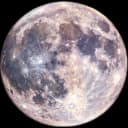
☽︎ Moon
Monday belongs to the Moon, keeper of tides and dreams. Tradition gives it to intuition, divination, dreams, home and family, and anything that ebbs and flows. A day for listening inward and tending the hearth.
Hours of the Moon: divination and psychic work, dream work and sleep rituals, home, family, and children, travel, especially over water, reconciliation and emotional matters.
Colors: Silver, white, pale blue · Metal: Silver

Tuesday
♂︎ Mars
Tuesday belongs to Mars, the warrior. Tradition keeps it for courage, strength, protection, and decisive action, and for defensive and baneful work. A day to face an obstacle head on or draw a firm line.
Hours of Mars: courage and strength, protection and defense, breaking obstacles, cutting ties and ending conflict, competition and drive.
Colors: Red, scarlet · Metal: Iron
Wednesday
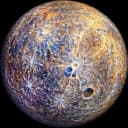
☿︎ Mercury
Wednesday belongs to Mercury, messenger of the gods. Tradition keeps it for the quick and clever: words, study, writing, contracts, travel, and trade. A day for sending letters, signing papers, and sharpening the mind.
Hours of Mercury: communication and persuasion, study, writing, and memory, contracts and negotiations, short trips and travel plans, trade, selling, and games of skill.
Colors: Orange, yellow, mixed colors · Metal: Quicksilver (traditional)
Thursday
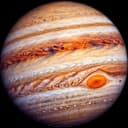
♃︎ Jupiter
Thursday belongs to Jupiter, king of the planets. Tradition gives it to prosperity, good fortune, generosity, legal matters, and growth of every kind. Among the most favored days for money and expansion work.
Hours of Jupiter: prosperity and money drawing, good fortune and luck, legal matters and justice, growth, expansion, and opportunity, honors, generosity, and friendship.
Colors: Royal blue, purple · Metal: Tin
Friday
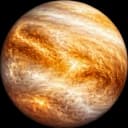
♀︎ Venus
Friday belongs to Venus, lady of love and beauty. Tradition gives it to affection, friendship, attraction, art, and harmony between people. A good day to sweeten a relationship, make something beautiful, or mend a quarrel.
Hours of Venus: love and attraction, friendship and reconciliation, beauty, art, and music, harmony at home and work, pleasure and celebration.
Colors: Green, pink, rose · Metal: Copper
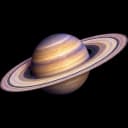
Saturday
♄︎ Saturn
Saturday belongs to Saturn, the elder and timekeeper. Tradition keeps it for banishing, binding, boundaries, protection of what you own, endings, and work with ancestors. A day to close doors, break habits, and build what lasts.
Hours of Saturn: banishing and binding, boundaries and protection of property, breaking bad habits, ancestor and spirit work, endings and long-term plans.
Colors: Black, deep indigo · Metal: Lead (traditional)
How the hours are counted
Start at sunrise with the day’s ruler, then follow the Chaldean order, the old ranking of the planets from slowest to fastest: Saturn → Jupiter → Mars → Sun → Venus → Mercury → Moon, and round again. Twenty-four hours later the count lands exactly on the next day’s ruler, which is how the weekdays got their order.
Practitioners often stack their timing: a planet’s hour on its own day, with the moon in a helpful phase. Money work, for example, is traditionally set for a Jupiter hour on a Thursday while the moon is waxing.
The eight moon phases
The waxing moon is traditionally for drawing in and building; the waning moon for releasing, banishing, and clearing.
New moon
The moon is dark, the cycle begins. Tradition treats it as a seed: set intentions, plan, and rest before the work.
Good for: Intentions, fresh starts, planning, rest
Waxing crescent
The first sliver returns. Work that should grow or draw something toward you is traditionally begun now.
Good for: Attraction, money drawing, new projects
First quarter
Half lit and climbing. A phase for action and push: face the obstacle, make the call, keep building.
Good for: Courage, decisions, overcoming obstacles
Waxing gibbous
Nearly full. Tradition uses it to refine, adjust, and strengthen what you started, and to be patient.
Good for: Refining, strengthening, patience
Full moon
The moon at its brightest, the peak of the tide. A favorite time for charging tools and water, divination, and gratitude.
Good for: Charging, divination, culmination, gratitude
Waning gibbous
The light begins to recede. A phase for thanks, sharing what you have learned, and beginning to let go.
Good for: Gratitude, teaching, gentle release
Last quarter
Half lit and fading. Tradition keeps it for banishing, breaking habits, cleansing, and clearing space.
Good for: Banishing, cleansing, breaking habits
Waning crescent
The last sliver, sometimes called the balsamic moon. Rest, reflect, protect, and finish what needs finishing before the next new moon.
Good for: Rest, reflection, protection, endings
Questions
What are planetary hours?
An old system of timing, used in the grimoires and almanacs, that gives each hour of the day to one of the seven classical planets. The day runs from sunrise to sunrise; daylight and night are each split into twelve equal hours, and the planets take turns in the Chaldean order: Saturn, Jupiter, Mars, the Sun, Venus, Mercury, the Moon.
Why aren't planetary hours sixty minutes long?
Because they divide the actual daylight and darkness where you are. In winter the twelve day hours are short and the night hours long; in summer it's the reverse. That's why the hours depend on your town's sunrise and sunset, not just your time zone.
Which planet rules each day?
Sunday the Sun, Monday the Moon, Tuesday Mars, Wednesday Mercury, Thursday Jupiter, Friday Venus, Saturday Saturn. The first hour after sunrise belongs to the day's ruler.
How do I get a reminder for a planetary hour?
Tap "Remind me" next to any hour. It adds the hour to your phone or computer calendar (Apple, Outlook, or Google) with an alert 10 minutes before it begins.
Ready for the hour?
Candles, herbs, oils, and stones for every planet, or ask the Sage what suits your working.